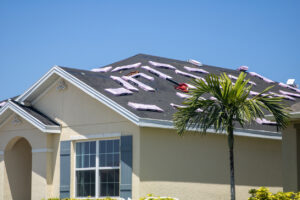

After a severe Florida storm, a roof may look perfectly intact from the driveway while wind-driven rain has found its way beneath a shingle, loosened the flashing, or exposed a vulnerable seam. Hail, falling branches, and windborne debris can also damage roofing materials in ways that are not immediately obvious. With heavy rain and high humidity common in Florida, leaving these problems unchecked gives moisture more time to affect the roof structure and interior of your home.
The first clues are often small, but knowing where to look can help you recognize damage and determine when to schedule residential roof repairs.
Missing Shingles, Cracked Tiles, and Visible Roof Damage
Look at your roof from the ground once the weather clears. Missing shingles are easy to recognize, but creased, lifted, or curled edges can also indicate wind damage. On tile roofs, look for cracked or displaced tiles and broken pieces on the ground. Granules collecting in gutters may be normal as asphalt shingles age, but a sudden buildup after a storm deserves attention, especially if the shingles also appear damaged.
Other warning signs include:
- Exposed roofing layers or fasteners
- Damaged ridge caps or visibly uneven roof sections
- Branches or roofing fragments scattered around the property
Avoid climbing onto the roof to investigate. A professional inspection can reveal whether the damage is limited to visible materials or extends to the underlying roof system.
Damaged Flashing, Metal Roofing, and Gutters
Storm damage can occur at seams and connections as well as across the main roof surface. Hail or flying debris may dent metal panels, while strong winds can loosen fasteners. Lifted flashing around chimneys, skylights, plumbing vents, and roof valleys can create openings where rain enters. Even a small gap can compromise the roof’s ability to keep water out.
Check for bent gutters, loose brackets, sagging fascia, and disconnected downspouts, too, as these problems can interfere with drainage or indicate that debris struck the roofline. Overflowing gutters can also stem from a blockage, so the roofing contractor should determine whether the cause is storm damage or a simple clog before they recommend residential roof repairs.
Interior Signs of Roof Leaks
Water can travel along roof decking or framing before reaching a ceiling, so the first visible stain may not sit directly beneath the damaged area. After heavy rain, check upper ceilings and walls for new discoloration, bubbling paint, peeling finishes, or damp patches. A musty smell or persistent indoor humidity may also warrant investigation, although neither necessarily indicates a roof leak.
If your attic is safely accessible, look for damp insulation, water-stained decking, or moisture on rafters. Wet insulation can lose effectiveness, while persistent moisture may contribute to wood deterioration and mold growth. Keep away from sagging ceilings and wet electrical fixtures, and leave unsafe attic or roof inspections to qualified professionals.
Other Warning Signs Around Your Home
Collateral damage can help establish how a storm affected your property. Dented metal fixtures, torn window screens, damaged siding, broken pool-cage panels, and fallen branches may indicate hail or windborne debris. These signs don’t prove the roof is damaged, but they give a contractor useful context during an assessment.
You may also notice rooms becoming unusually warm or cooling costs rising after a storm. Damaged roofing, wet insulation, and ventilation problems can affect indoor comfort, although HVAC faults and other issues can produce similar symptoms. Consider these changes alongside visible damage rather than treating them as a diagnosis.
What to Do If You Suspect Storm Damage

Act promptly if you find signs of damage, especially if water is entering your home. You can limit further problems while arranging an inspection, provided you avoid unsafe areas.
- Protect Your Belongings: Move furniture away from leaks and place a container beneath dripping water if the area is safe. Stay clear of sagging ceilings and wet electrical equipment.
- Document the Damage: Photograph visible roof debris, interior stains, and exterior impact marks from the ground. Record when the storm occurred and when you noticed the problem.
- Arrange an Inspection: Ask a qualified roofing contractor to assess the damage, explain the recommended residential roof repairs, and provide a written estimate.
- Contact Your Insurer: Ask about policy coverage, documentation, and claim deadlines. Coverage depends on your policy and the circumstances of the damage.
Temporary tarping may help limit further water intrusion, but do not climb onto a wet or compromised roof. Before hiring a contractor, verify their license through the Florida Department of Business and Professional Regulation and request proof of insurance.
Schedule Your Residential Roof Repairs With American Roofing and Construction
Storm damage is not always easy to assess from the ground. A professional inspection can help determine whether targeted repairs will resolve the problem or whether more extensive work is necessary based on the condition of your roofing materials and the extent of the damage.
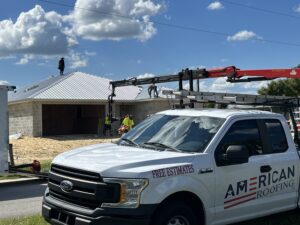
At American Roofing and Construction, we’re a family-owned, locally operated roofing contractor serving Central Florida communities, including Orlando, Winter Haven, Tampa, Osceola County, and Cocoa Beach. We provide commercial and residential roof inspections, leak repairs (including emergency service), shingle replacement, metal roof maintenance, and roof replacement. Contact us to schedule your free roof inspection and estimate for residential roof repairs.
FAQs
How soon should I have my roof inspected after a severe storm?
Arrange an inspection as soon as it is safe to do so, particularly if you notice missing shingles, cracked tiles, interior water stains, or fallen debris. Even if there are no visible leaks, a professional can identify damage that may worsen during the next heavy rainfall. Prompt inspections also give you an opportunity to document storm damage while the evidence is still visible.
Can a roof leak after a storm even if there are no missing shingles?
Yes. Wind can lift shingles without tearing them off, while damaged flashing, loosened fasteners, cracked tiles, or compromised seals can allow water beneath the roofing materials. If you notice new ceiling stains, damp insulation, or other signs of moisture after a storm, arrange a professional inspection.