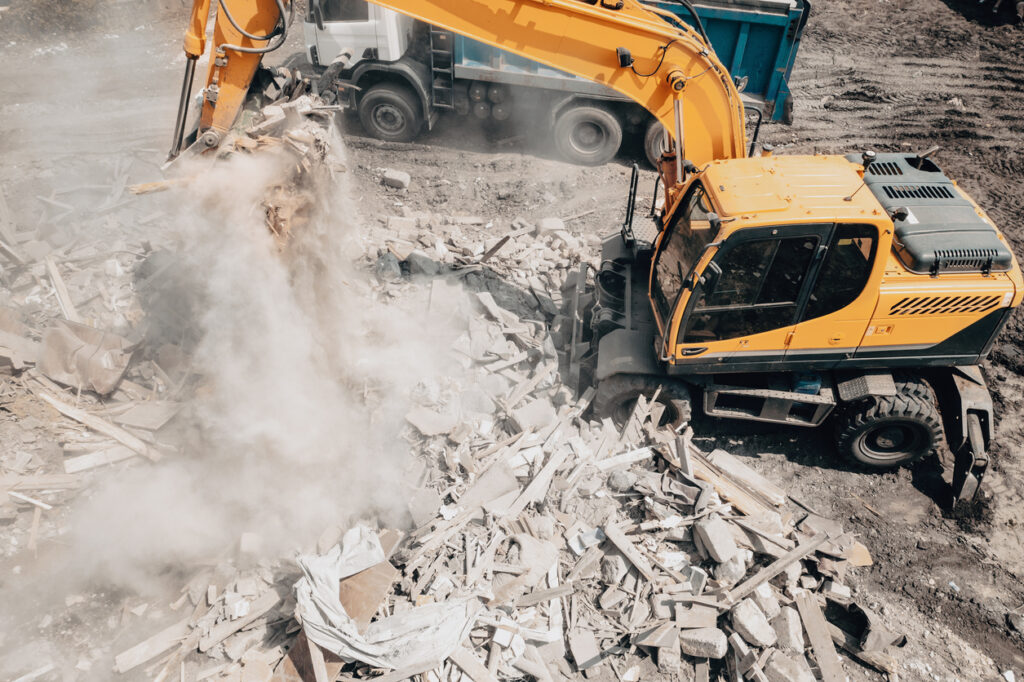
Ask any experienced contractor what adds up fast on a project budget, and debris is usually near the top of the list. Piles of offcuts, broken concrete, and packaging slow crews down, create trip hazards, and trigger costly last-minute hauls. Because construction debris removal in Florida comes with county disposal rules, tipping fees, and state environmental oversight, casual waste habits can cost far more than the dumpster rental itself.
A handful of proven habits, from pre-build waste planning to smart on-site sorting, can keep your next project cleaner, safer, and more profitable from groundbreaking to final walkthrough.
Build a Site Waste Management Plan Before You Break Ground
Waste you never create is waste you never have to pay to remove. A site waste management plan (SWMP) forces you to think through waste before the first delivery truck arrives, from forecasting material quantities and choosing suppliers who take back pallets and packaging to identifying which waste streams can be recycled or reused. It also means confirming local requirements, since Florida counties set their own rules for construction and demolition debris disposal, and some materials need special handling.
A workable SWMP doesn’t need to be complicated. At minimum, it should cover:
- Material Forecasting: Order accurately, with realistic waste allowances, so fewer leftovers end up in the dumpster.
- Waste-Stream Mapping: List what you expect to generate, from concrete and metal to drywall and packaging, and decide where each stream will go.
- Clear Ownership: Identify one person responsible for waste decisions, hauler scheduling, and recordkeeping.
Make Housekeeping Part of the Daily Routine
Construction jobsites are required to stay clear of scrap and debris under workplace safety standards, and scattered material is one of the most common sources of trips, falls, and puncture injuries on active jobsites. Beyond the injury risk and potential violations, clutter slows down tasks on site. Crews lose time moving debris out of their way, and equipment sits idle while access routes are cleared.
Schedule short daily cleanups, position disposal containers within easy reach of work zones, and make clean-as-you-go part of the job.
Sort Scrap On-Site to Make C&D Recycling Pay Off
When concrete, metal, drywall, and wood all land in one container, you pay landfill tipping fees on material that recycling facilities would often accept for less, or even pay for. Construction and demolition (C&D) recycling is well established across Florida, and on-site sorting is what makes it economically viable.
The materials that deliver the biggest returns when separated include:
- Concrete and Asphalt: Crushed for reuse as road base and aggregate.
- Scrap Metal: Steel, aluminum, and copper carry significant resale value.
- Clean Wood and Drywall: Recyclable into mulch, soil amendments, or new board when kept uncontaminated.
Even clearly labeled bins and a short crew briefing can divert a large share of a project’s waste and cut dumping fees noticeably.
Order the Correct Dumpster or Compactor for the Job
Guessing at container size is how projects end up paying for emergency swap-outs or hauling half-empty dumpsters. Roll-off containers range from 10 to 40 cubic yards, and the right choice depends on volume and weight. For example, heavy debris such as roofing tear-off material and concrete hits weight limits long before it fills a big box. High-volume commercial sites may be better served by a compactor to reduce haul frequency and keep debris contained.
These sizing guidelines hold up on most jobs:
- 10 to 20 Yards: Roofing tear-offs, small remodels, and dense, heavy debris.
- 30 to 40 Yards: Whole-home builds, additions, and demolition projects.
- Compactors: Ongoing commercial waste streams where volume justifies it.
Equally important, be sure to partner with professional waste haulers who deliver on schedule, place containers where they will not block trades, and pull them promptly when full. Reliable construction debris removal in Florida starts with that kind of partnership.
Only Work With Licensed Haulers Who Follow Florida Disposal Rules
Many contractors don’t realize that liability for a debris load doesn’t always end once it leaves the site. If an unlicensed hauler illegally dumps your material, the fines, cleanup costs, and reputational damage can land on the contractor or property owner as well as the driver. Florida’s environmental laws are enforced, and illegal dumping penalties are steep.
Licensed carriers and documentation are two of the simplest ways to protect yourself when it comes to construction debris removal in Florida. Verify that every carrier is licensed and insured, ask where material is actually going, and keep disposal receipts or manifests for your records. Take extra care with regulated materials such as asbestos-containing products or treated wood, which require documented handling.
Get the Whole Crew Invested in Smarter Waste Habits
The best waste plan fails if the crew treats it as someone else’s job. The standard waste hierarchy (reduce first, then reuse, then recycle, and landfill last) only works when the crew actually buys in. Engagement is mostly about visibility and can include short toolbox talks, clearly labeled stations that make the right choice the easy choice, and updates on how much material the project has diverted.
Contractors who build this culture tend to see significant benefits, including lower disposal costs, fewer safety incidents, stronger bids, and a story that resonates with clients who increasingly ask about sustainable, circular building practices.
Schedule Construction Debris Removal in Florida With American Roofing and Construction
A jobsite runs smoother when waste management is built into the plan from day one, not handled after the fact. That’s exactly how we work at American Roofing and Construction: a family-owned, licensed, and insured contractor serving Orlando, Winter Haven, Tampa, Osceola County, Cocoa Beach, and beyond. We handle demolition, debris hauling, and ongoing site maintenance with safety-first planning and transparent communication at every stage of the project. Every job starts with a free estimate, so you know the scope and cost before work begins.
Ready for a jobsite that stays clean, compliant, and on schedule from day one? Contact American Roofing and Construction today to learn more or request your free estimate.