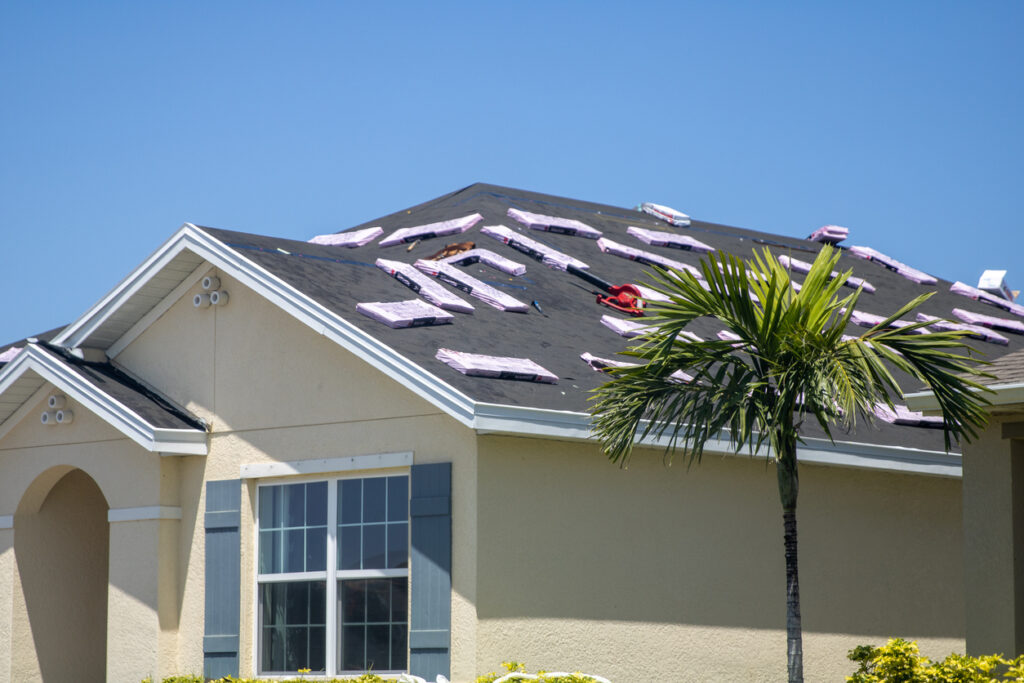
Storm damage to a Florida rental property can create problems that extend well beyond the roof. Missing shingles, damaged flashing, and water intrusion can put the building at risk, disrupt a tenant’s living arrangements, and leave landlords juggling inspections, repair costs, insurance questions, and contractor schedules. Even damage that appears minor from the ground deserves attention, particularly when another round of heavy rain could make the situation worse.
Knowing what to check, who to contact, and how to coordinate the next steps helps you protect your investment and manage storm damage repairs responsibly.
What Are the Signs of Storm Damage?
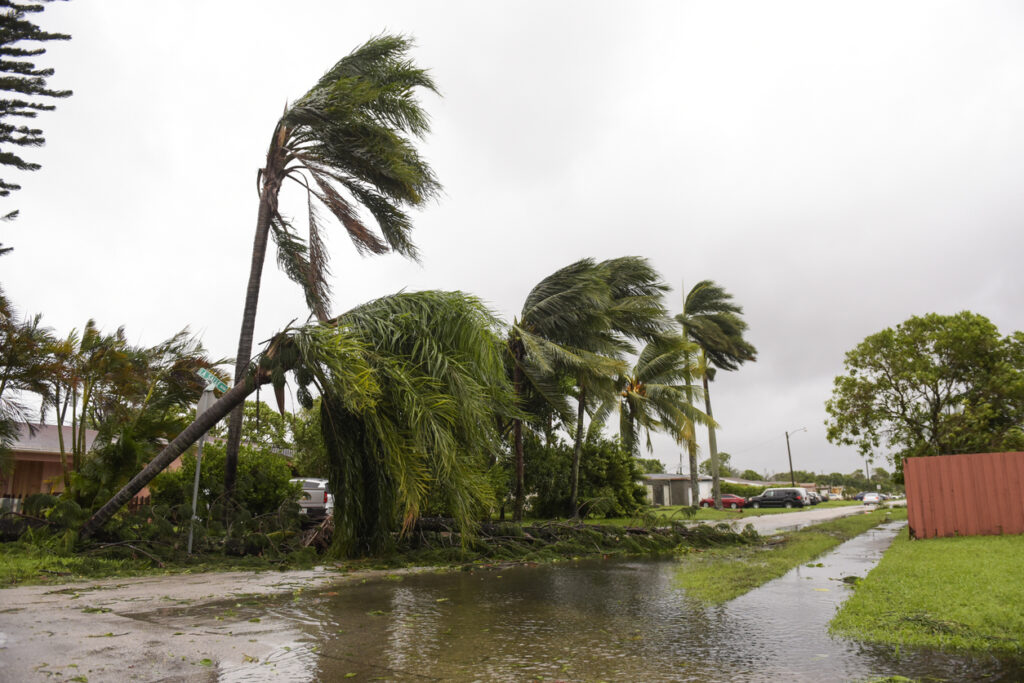
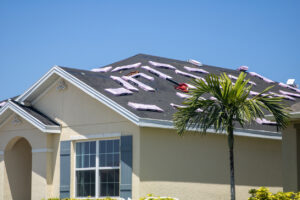
High winds, heavy rain, and flying debris can damage a rental property’s roof, sometimes leaving problems that aren’t immediately visible from the ground. After a storm, check for these warning signs from a safe location:
- Missing or Displaced Shingles: Exposed areas can leave the underlying roofing materials vulnerable to rain.
- Cracked or Dislodged Roof Tiles: Broken tiles may compromise the roof’s ability to shed water.
- Damaged Flashing: Loose or deteriorated flashing around vents and other roof penetrations can allow moisture to enter.
- Loose Fascia or Soffit Components: Damage along the roof’s edges may expose vulnerable areas to further weather damage.
- Interior Signs of a Leak: Ceiling stains, damp patches, or water dripping indoors may indicate a roofing problem, even when the source is difficult to locate.
Avoid climbing onto the roof to inspect damage. If you notice any of these signs, arrange a professional inspection to determine whether roof repairs are needed.
Address Immediate Safety Concerns and Water Intrusion
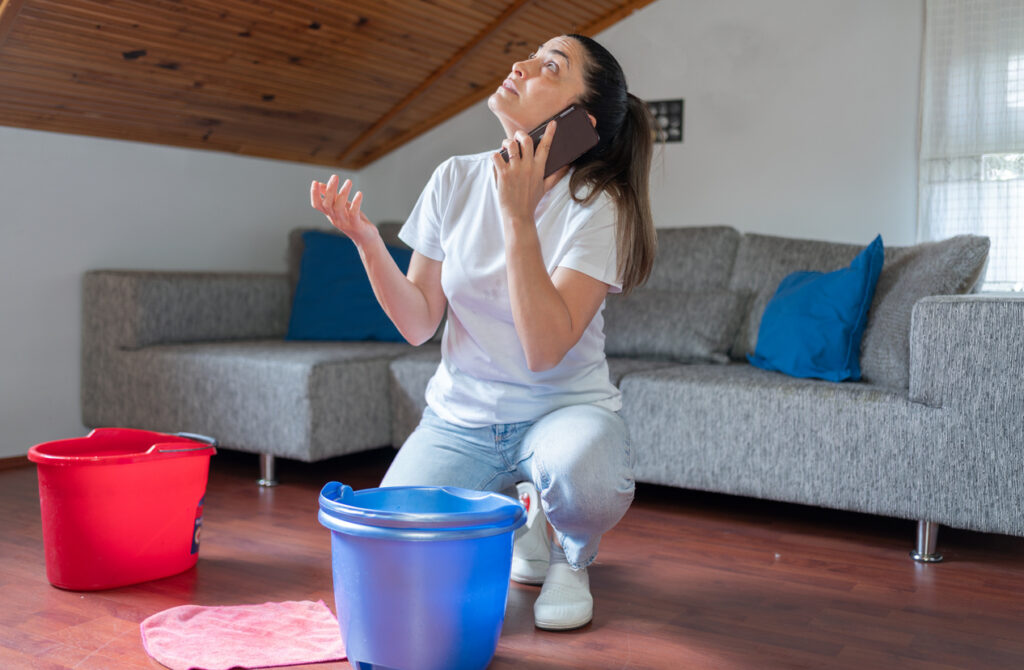
When a storm damages a rental property, prioritize safety and active leaks. Downed power lines, unstable trees, sagging ceilings, and exposed electrical components may require emergency assistance, and tenants should stay clear of hazardous areas. If water is entering the building, move belongings away from affected areas when safe, report the leak promptly, and take reasonable steps to limit further damage without attempting unsafe repairs.
A roofing contractor can address roof leaks, while damaged drywall, electrical systems, insulation, or other interior components may require separate specialists. If the property may be unsafe to occupy, address the hazards promptly and seek appropriate professional guidance.
Document the Damage and Contact Your Insurer
Thorough documentation helps you track damage, coordinate contractors, and support an insurance claim if you decide to file one. Record the damage as soon as conditions allow, and keep the information together for discussions with contractors and your insurer.
Your records should include:
- Photographs and Videos: Capture visible roof damage from safe vantage points, along with interior leaks and affected areas.
- Dates and Communications: Record when the storm occurred, when the damage was discovered, and what tenants reported.
- Inspection Findings and Estimates: Retain contractor reports, recommended repairs, and written quotes.
- Expenses and Completed Work: Keep invoices and receipts for emergency measures, repairs, and related costs.
Contact your insurer to confirm coverage, deductibles, documentation requirements, and any inspection or authorization procedures that apply before non-emergency work proceeds. If urgent repairs are needed to protect the property, document what you can without delaying necessary action.
Understand Your Responsibilities as a Florida Landlord
Florida’s residential landlord-tenant laws address property maintenance and tenant rights when casualty damage affects a rental home. Landlords generally must comply with applicable building, housing, and health codes; where relevant codes do not apply, the law addresses keeping roofs and other structural components in good repair. Certain obligations for single-family homes and duplexes may be modified in writing.
Florida law also addresses what tenants may do when casualty damage substantially impairs their enjoyment of the premises, including circumstances in which they may terminate the rental agreement or vacate an unusable portion with a corresponding rent reduction.
These situations depend on the extent of the damage and the circumstances of the tenancy, so you should avoid assuming that every roof leak makes a property uninhabitable or that tenants have no options until repairs are complete. Keep tenants informed about the condition of the property and the expected repair process, and follow applicable rules for entering an occupied home. Florida’s general requirements for routine repair access include at least 24 hours’ notice and entry between 7:30 a.m. and 8 p.m., subject to statutory exceptions.
For questions about habitability, rent adjustments, relocation, or lease obligations, consult a qualified Florida landlord-tenant attorney.
Arrange a Professional Roof Inspection
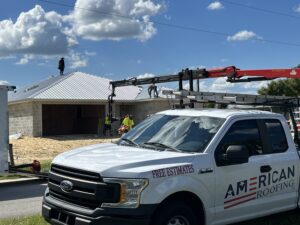
A professional inspection helps establish the extent of the damage and whether the roof can be repaired effectively. This is particularly useful for landlords who manage properties remotely or cannot attend the inspection themselves, as a clear assessment provides a basis for deciding what work to authorize and how to plan around tenants.
A thorough assessment should establish:
- The Affected Areas: Which roofing materials, flashing, penetrations, or roof edges have sustained damage.
- The Recommended Solution: Whether targeted repairs are appropriate or replacement should be considered.
- The Expected Scope and Cost: What the work involves, which materials are needed, and how long it may take.
Localized damage may call for targeted storm damage repairs, while widespread damage or significant deterioration may warrant considering replacement. When comparing options, consider the scope of work, materials, estimated cost, and expected timeline alongside the roof’s longer-term condition.
Coordinate Storm Damage Repairs With Tenants and Contractors
Repair work requires coordination, particularly when tenants remain in the property or several units have been affected. Once the inspection is complete, discuss the schedule and access requirements with your contractor, notify tenants in accordance with applicable entry rules, and explain any safety precautions or temporary disruptions they should expect. If weather, material availability, or additional damage changes the timeline, communicate the update promptly rather than leaving tenants uncertain about what happens next.
For landlords managing multiple properties, keeping a separate record for each affected unit makes it easier to track estimates, expenses, tenant communications, and completed work. Prioritize active leaks and safety concerns, and confirm that the agreed repairs have been completed before closing out the job.
Schedule Storm Damage Repair With American Roofing and Construction
Storm damage can leave landlords weighing repair costs, tenant concerns, and the need to protect their investment. A professional assessment helps establish the roof’s condition and the work needed to address the damage, whether that means targeted repairs or a larger roofing project.
At American Roofing and Construction, we provide roof inspections, storm damage repairs, fascia repairs, and roof replacement services for residential and commercial properties in our Florida service areas. As a locally owned, family-run company, we focus on quality workmanship, durable materials, and clear communication throughout the process. Contact us to request a free roof inspection and estimate.